Garage Floors in Fort Collins
We pour heavy-duty concrete garage floors with steel reinforcement and air-entrained mixes that resist winter road salt.




Reinforced Garage Slabs
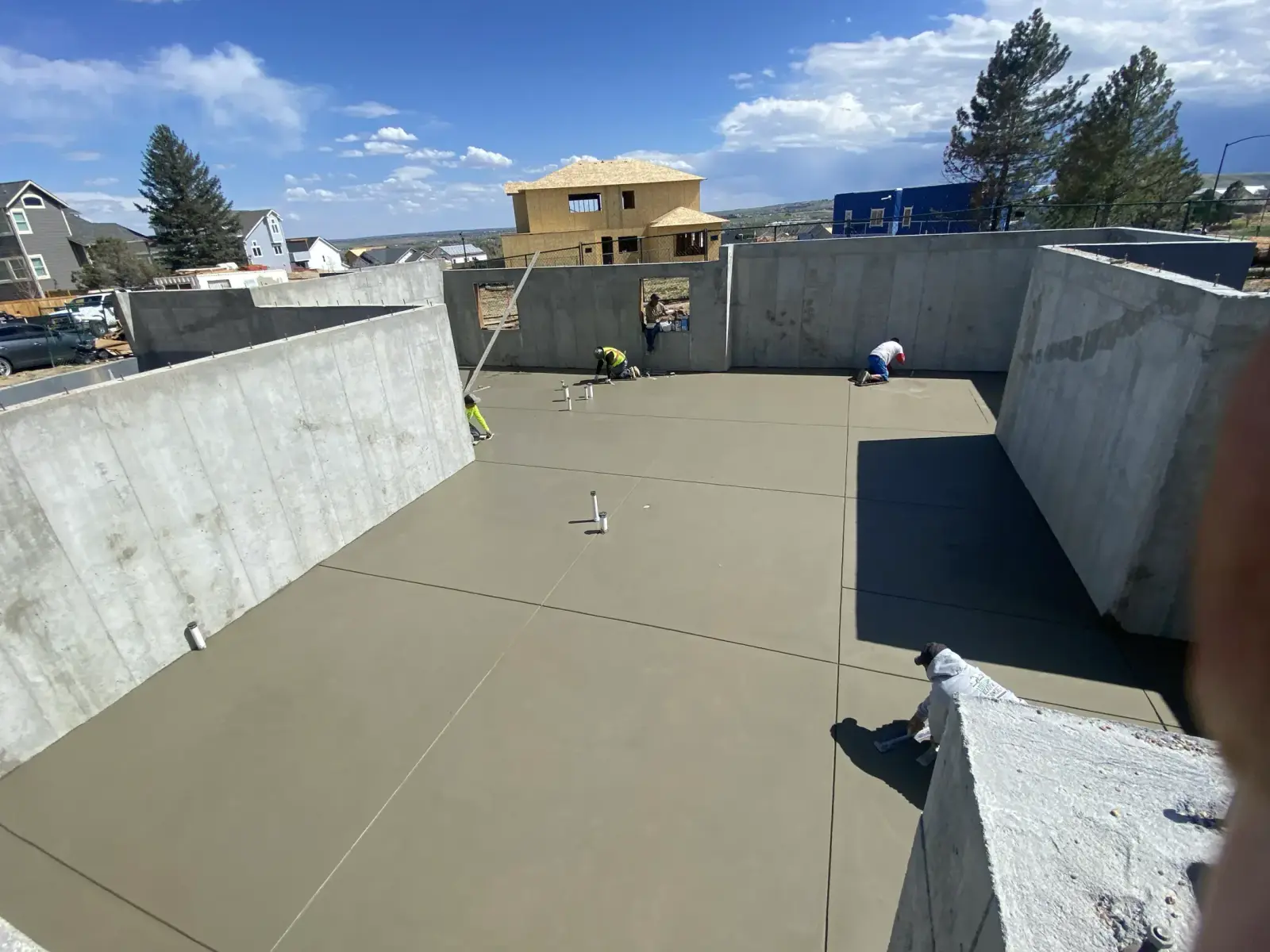
Your garage floor sees more weight and chemical stress in a year than most residential floors see in a decade. If you are looking to install new Garage Floors Fort Collins homeowners can count on us for heavy-duty, reinforced slabs built to survive Colorado weather. We replace worn, cracked slabs and pour brand-new garage floors designed to handle vehicle loads and resist winter road salts.
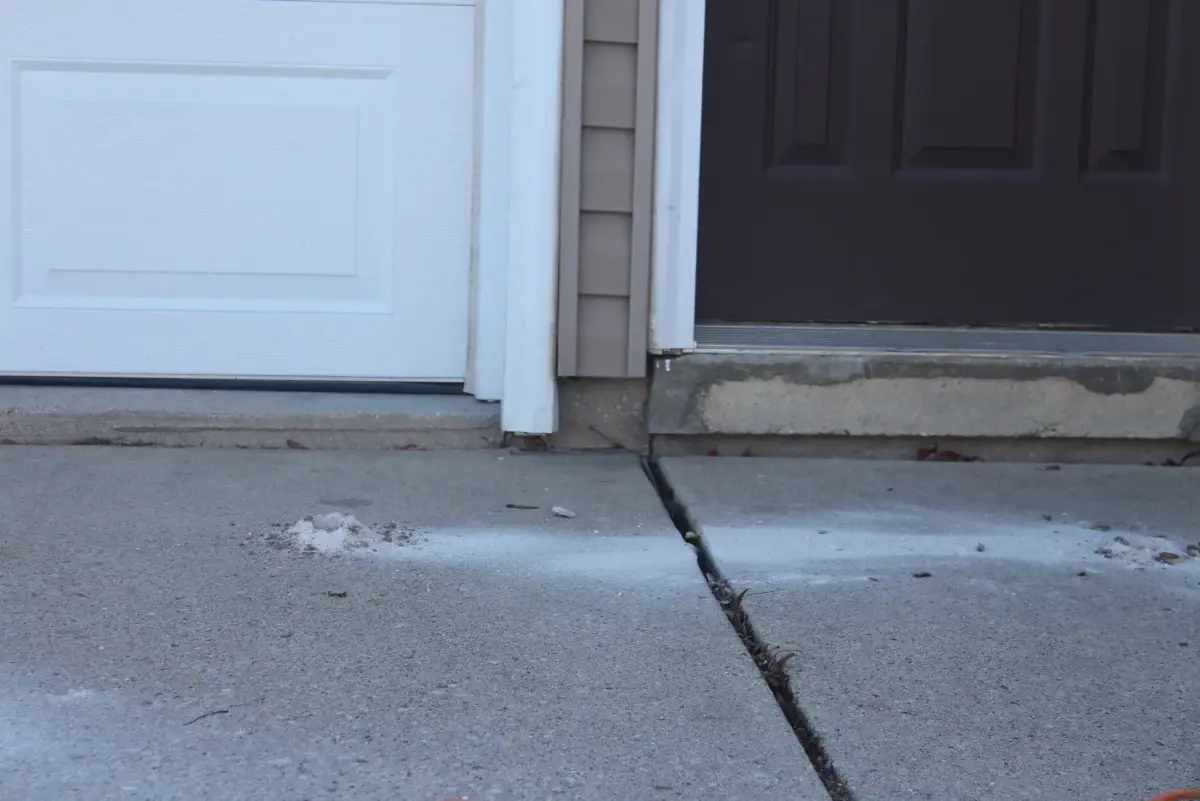
The local climate presents unique challenges for garage slabs. In the winter, vehicles bring in snow, ice, and highly corrosive deicing chemicals from the streets. This water melts and sinks into the pores of the concrete. When temperatures drop below freezing, that trapped water expands, which causes cheap or unreinforced concrete to spall, flake, and crack. To prevent this damage, we use air-entrained concrete mixes specified by the American Concrete Institute, which creates tiny spaces for water to expand safely.
Our process focuses on structural preparation. Before pouring a single yard of concrete, we assess the subgrade. If the soil contains expansive clay, we excavate and replace it with a solid, compactable gravel base. We install steel rebar grid reinforcement rather than relying on weak wire mesh. This steel grid distributes the weight of heavy trucks and storage units evenly across the entire slab.
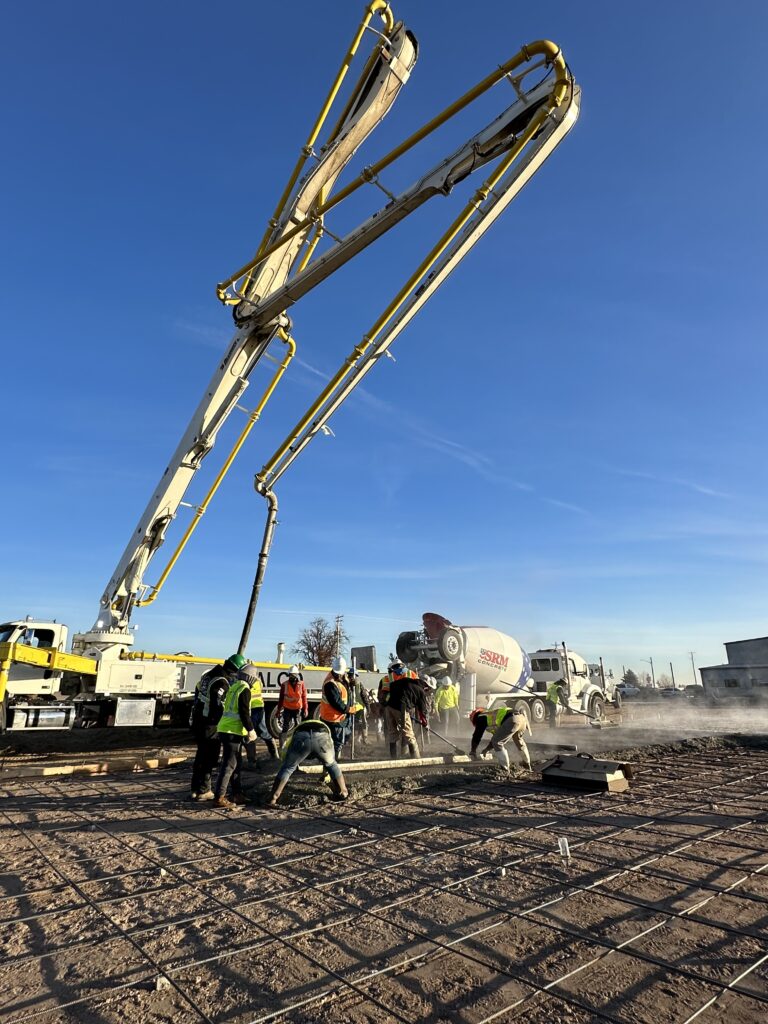
We also use our own specialized boom and line pumps to place the concrete. This means we do not have to drive heavy concrete trucks onto your driveway or lawn, protecting your property from damage. Our experienced crew finishes the slab with a smooth, hard-troweled surface that is easy to sweep and clean, or a light broom finish if you prefer more traction.
We are a local business with years of experience serving Northern Colorado. As an ASCC and NRMCA member, we follow strict industry standards on every project. Fill out our online form to request an estimate on your new garage floor.
Our garage floor services include proper drainage planning. We slope the slab slightly toward the garage door so that melting snow and water run out of the building instead of pooling against your walls or back sill plate. If you have an attached garage, we make sure the floor level matches your home's entry points perfectly.
Our OSHA 30 certified crew keeps your site clean and safe throughout the project. We handle the removal of your old, cracked concrete floor, dispose of the materials properly, and prepare the ground for the new pour. Every project is backed by our ACI certified professionals, so you get craftsmanship that protects your investment. Contact us today to discuss your project.
Our Process
Our Garage Floor Process
Demo and Excavation
We break up and haul away your old, damaged garage floor slab, clearing the area completely.
Subgrade Compaction
Forming and Reinforcement
Pouring and Pumping
Troweling and Curing
Pricing Guide
What Affects Garage Floor Costs
Slab Thickness
Heavy-duty trucks or workshops require a thicker 5-inch or 6-inch slab instead of a standard 4-inch pour.
Old Floor Removal
Breaking up thick, reinforced concrete floors takes more time, specialized equipment, and disposal effort.
Site Prep and Soil
Expansive clay soils require deeper excavation and replacement with structural gravel to manage water drainage.
The Contractor You Choose
Above and Below Concrete is fully licensed, insured, and bonded. We hold ACI and OSHA 30 certifications and are BBB Accredited. Hiring cheap, uncertified contractors often results in subgrade failure, causing your garage floor to crack within its first winter.
Why Choose Us
Why Our Garage Floors Last
Resists Winter Salt
Air-entrained concrete prevents the freezing moisture and road salt from causing surface flaking or spalling.
Handles Heavy Loads
Our steel-reinforced grids distribute the heavy weight of trucks, tools, and storage units without cracking.
Sheds Melting Snow
Precise slope grading ensures that water flows out of the garage instead of pooling against structural walls.
Common Questions
Frequently Asked Questions