Steps & Stairs Fort Collins
We construct code-compliant, steel-reinforced concrete steps anchored deep below the frost line.




Concrete Entry Stairs
Safe access is the most basic requirement for any building entry or sloped backyard. When you plan Steps & Stairs Fort Collins, you need a structure that remains perfectly level, code-compliant, and secure. Sinking concrete steps or uneven risers are major safety hazards that can lead to falls. We construct solid, durable concrete steps designed to handle heavy daily foot traffic and remain stable through years of changing seasons.
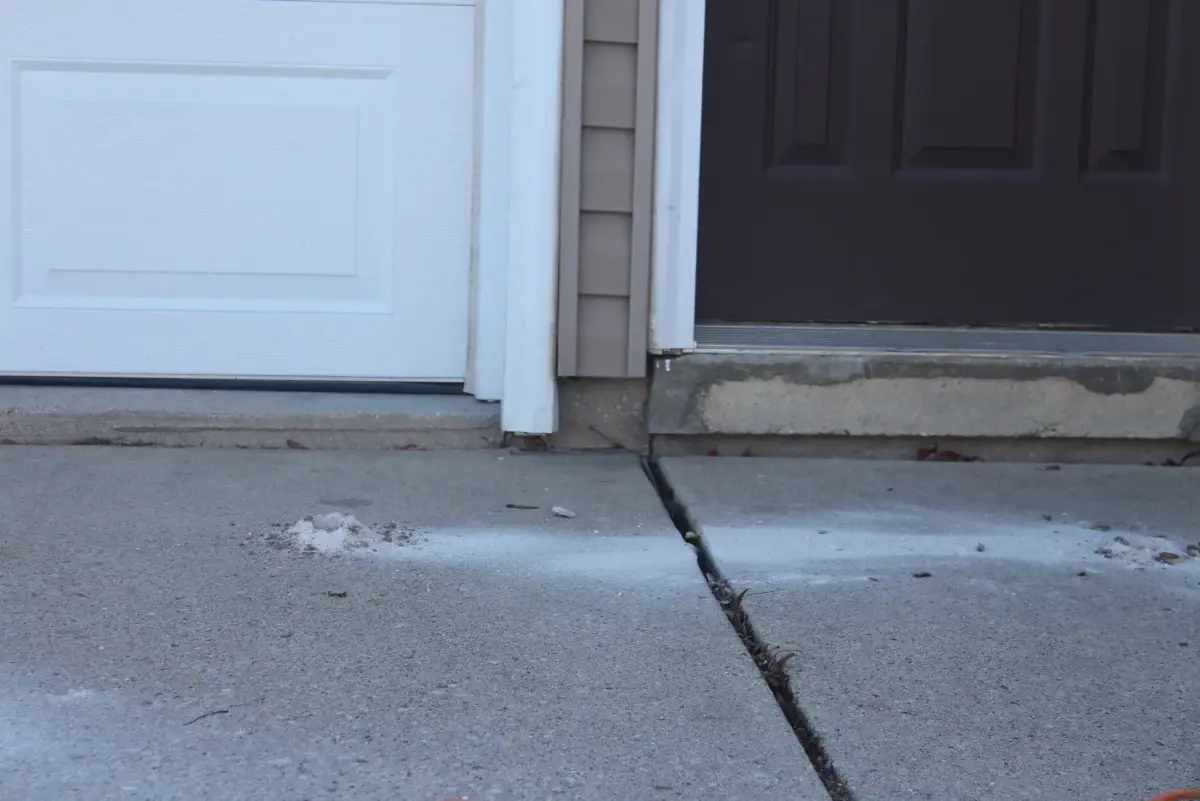
Building concrete steps in Northern Colorado requires careful attention to the soil. The heavy clay soils in Fort Collins shift constantly as they dry out in summer and absorb moisture in winter. If steps are poured directly on top of loose backfill soil next to a home foundation, they will eventually settle, tilt, or pull away from the building. To prevent this, we dig structural footings down below the local frost line. This anchors the steps into stable soil, so they do not sink or lift when the ground freezes and thaws.
Safety is our primary concern when laying out step dimensions. Building codes are strict regarding staircase geometry because even a slight variation in step height can cause a person to trip. We calculate the rise and run of your stairs with precision, making sure every single riser is identical in height and every tread is uniform in depth. We also form a slight slope on each tread to allow rainwater and melting snow to shed quickly, preventing ice from forming on the walking surface during the winter.
For sloped yards, we build tiered stairs that connect different levels of your property. We can connect your new steps to durable concrete sidewalks or build them directly off of your existing outdoor concrete patios. Our crew handles the carpentry work needed to build strong wooden forms that hold the heavy weight of wet concrete without bowing. We reinforce the entire structure with steel rebar grids, tying the steps together so they act as a single, solid unit.
We finish our steps with a medium broom texture to maximize slip resistance. This textured surface provides traction even during snowy or rainy weather. Proper staircase construction must comply with safety standards, which you can read about on Wikipedia's guide to staircases. Our team is fully licensed and insured, and we bring years of local experience to every structural pour we manage.
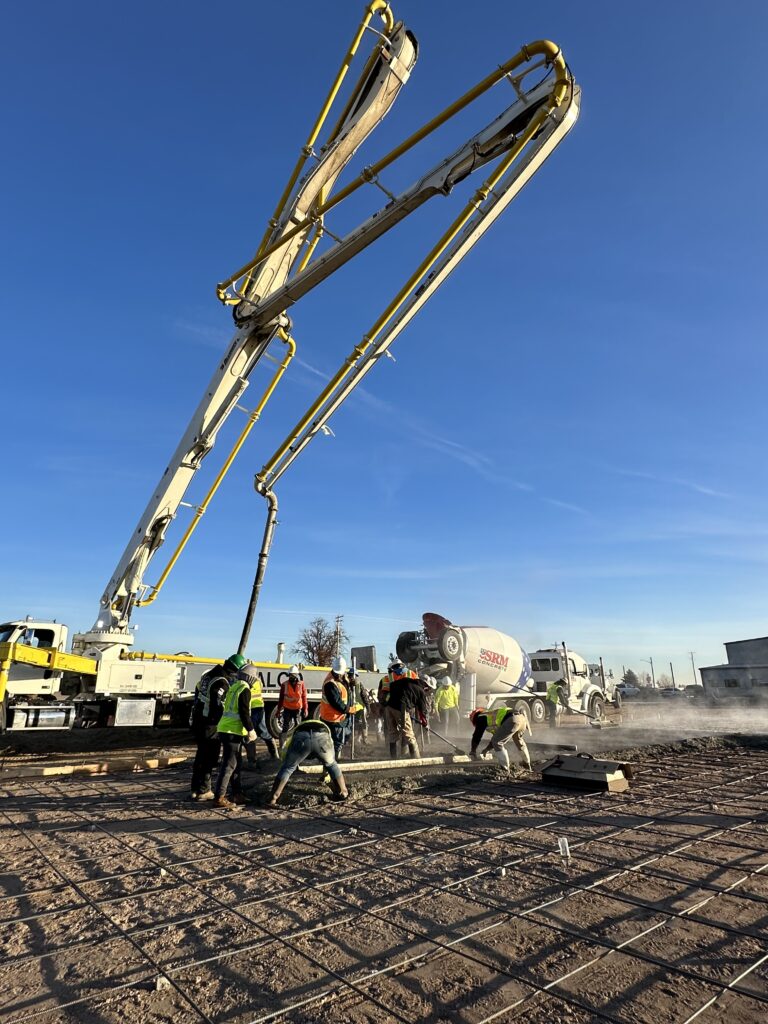
We keep the installation process simple. We use our own concrete pumping equipment to place concrete cleanly, keeping heavy trucks off your driveway and lawn. If you have old, crumbling steps that need to be replaced, we can demolish the old structure, haul away the debris, and build a new entryway from the ground up. Fill out our online form today to schedule your estimate.
Why Choose Us
Benefits of Pouring Concrete Stairs
Long-Term Stability
We anchor our steps with deep footings that reach below the frost line, keeping them level and attached to your home foundation.
All-Weather Safety
Uniform step geometry and slip-resistant broom finishes provide reliable traction under rainy, icy, or snowy conditions.
Zero Wood Maintenance
Unlike wood or metal stairs, concrete steps never rot, splinter, rust, or require repetitive staining or painting.
Our Process
How We Build Concrete Steps
Layout and Planning
We calculate the rise and run of the staircase to design steps that match local building codes.
Footing Excavation
Formwork Carpentry
Rebar Reinforcement
Pour and Finish
Pricing Guide
Factors Impacting Step Pricing
Riser Count and Volume
The total height of the vertical change dictates how many risers, forms, and yards of concrete are required.
Demolition of Old Steps
If we must break out and haul away old, sunken concrete steps, the additional labor and disposal fees will affect the budget.
The Contractor You Choose
Our team is licensed, bonded, and insured. Hiring uncertified labor to build steps can lead to dangerous settling or code violations that require complete replacement.
Common Questions
Frequently Asked Questions